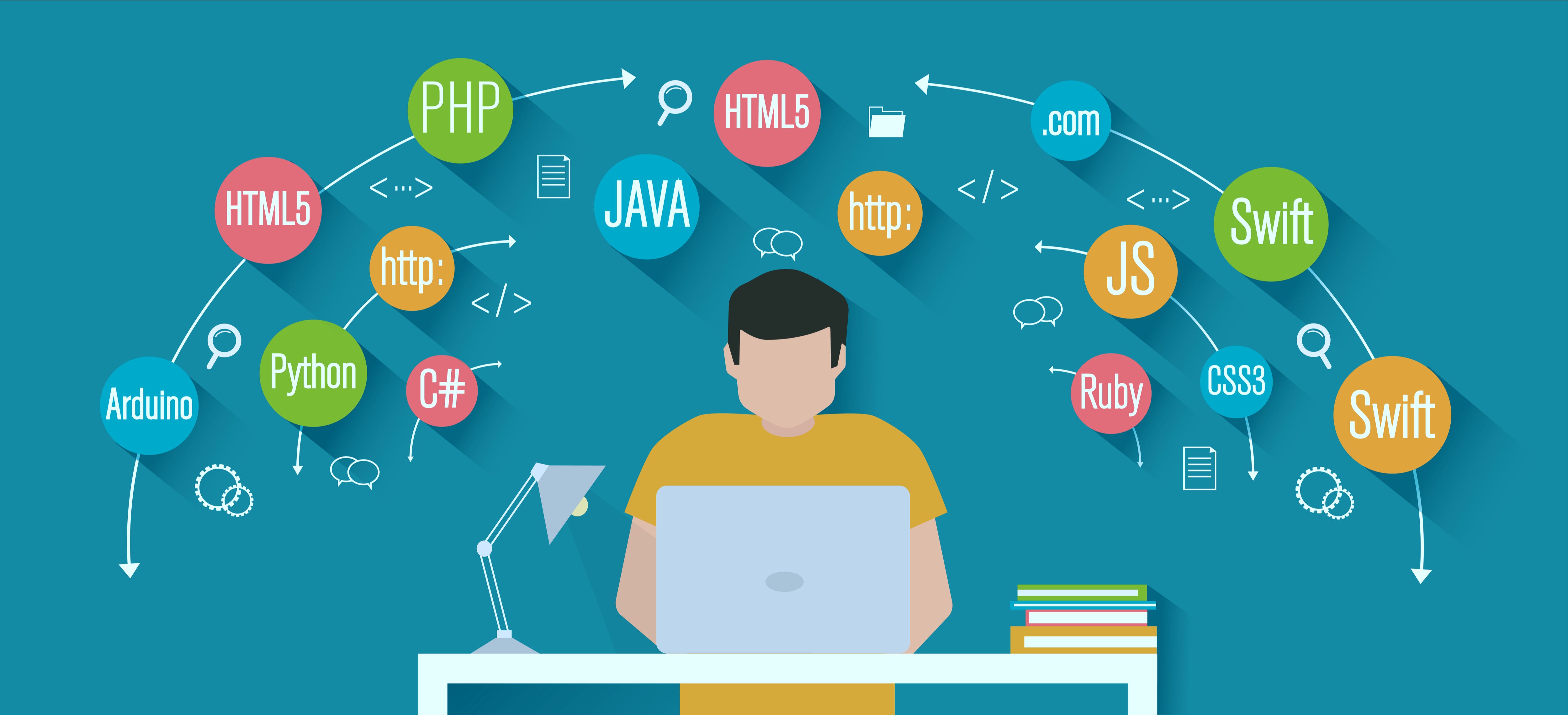
A computer programming language is a language used to write computer programs, which involves a computer performing some kind of computation or algorithm and possibly control external devices such as printers, disk drives, robots, and so on. For example, PostScript programs are frequently created by another program to control a computer printer or display. More generally, a programming language may describe computation on some, possibly abstract, machine. It is generally accepted that a complete specification for a programming language includes a description, possibly idealized, of a machine or processor for that language. In most practical contexts, a programming language involves a computer; consequently, programming languages are usually defined and studied this way. Programming languages differ from natural languages in that natural languages are only used for interaction between people, while programming languages also allow humans to communicate instructions to machines.
Procedural Programming Language
The procedural programming language is used to execute a sequence of statements which lead to a result. Typically, this type of programming language uses multiple variables, heavy loops and other elements, which separates them from functional programming languages. Functions of procedural language may control variables, other than function’s value returns. For example, printing out information.
Functional Programming Language
Functional programming language typically uses stored data, frequently avoiding loops in favor of recursive functions.The functional programing’s primary focus is on the return values of functions, and side effects and different suggests that storing state are powerfully discouraged. For example, in an exceedingly pure useful language, if a function is termed, it’s expected that the function not modify or perform any o/p. It may, however, build algorithmic calls and alter the parameters of these calls. Functional languages are usually easier and build it easier to figure on abstract issues, however, they’ll even be “further from the machine” therein their programming model makes it difficult to know precisely, but the code is decoded into machine language (which are often problematic for system programming).
Object-oriented Programming Language
This programming language views the world as a group of objects that have internal data and external accessing parts of that data. The aim this programming language is to think about the fault by separating it into a collection of objects that offer services which can be used to solve a specific problem. One of the main principle of object oriented programming language is encapsulation that everything an object will need must be inside of the object. This language also emphasizes reusability through inheritance and the capacity to spread current implementations without having to change a great deal of code by using polymorphism.
Scripting Programming Language
These programming languages are often procedural and may comprise object-oriented language elements, but they fall into their own category as they are normally not full-fledged programming languages with support for development of large systems. For example, they may not have compile-time type checking. Usually, these languages require tiny syntax to get started.
Logic Programming Language
These types of languages let programmers make declarative statements and then allow the machine to reason about the consequences of those statements. In a sense, this language doesn’t tell the computer how to do something, but employing restrictions on what it must consider doing.
To call these groups ” types of language ” is really a bit confusing. It’s easy to program in an object-oriented style in C language. In truth, most of the languages include ideas and features from various domains, which only helps to increase the usefulness of these types of languages. Nevertheless, most of the programming languages do not best in all styles of programming.